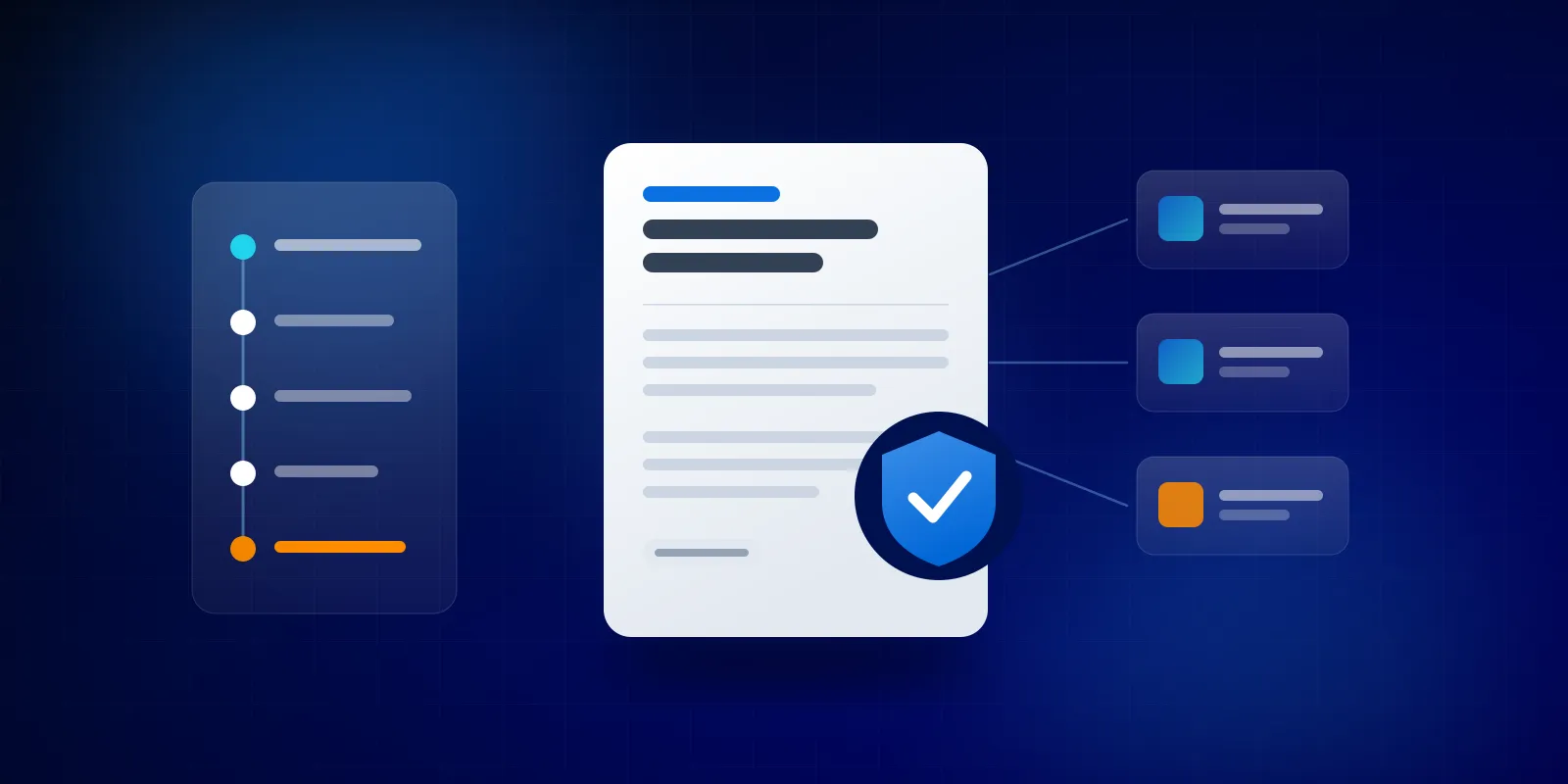
RSI Lab built a centralized digital platform that replaces paper and email complaint handling with a single source of truth, accessible to complainants, investigating committees, department heads, and university administration.
The system is designed around three principles: every action is recorded and traceable, every document exchanged is verifiable and tamper-evident, and every case follows the university’s own disciplinary procedure, routed automatically to the right department or committee.
1. Structured Case Lifecycle
Complaints are submitted by students, staff, and faculty, or by an official on their behalf, with structured fields for complainant, alleged persons, category, description, and supporting evidence. Each case receives an automatic case number and is tracked from intake to closure through review, prima facie hearing, show-cause notice, review committee meeting, final verdict, and appeal. Deadline reminders are sent automatically, so no case stalls past its statutory or policy-defined window.
2. Full Activity Audit Trail
Every meaningful action, including submission, review, status change, document upload, meeting scheduling, notice issuance, response, verdict, and appeal, is written to an immutable activity log tied to the case and the acting user. That gives the university a defensible, timestamped record for every case, full visibility into who did what and when across every committee and department, and the ability to reconstruct an entire case timeline for audits, appeals, or regulatory review.
3. Cryptographic Document Verification
Generated documents, including CCTV footage view records, are fingerprinted with a cryptographic signature at the moment of creation. Any alteration after issuance is instantly detectable, because the signature no longer matches the content. Recipients can confirm a document genuinely originated from the university system, evidence such as video footage requests and submitted attachments keeps a chain of custody from submission to verdict, and the system verifies signatures automatically whenever a document is viewed or downloaded.
4. Multi-Department Routing
Cases, and specific artifacts within them such as a report or a video footage request, can be forwarded to the relevant department, committee, or authority: anti-harassment and disciplinary committees, the proctorial or student affairs office, academic departments named in a complaint, the security and surveillance office, and senior administration for final verdicts and appeals. Each handoff is logged, keeping ownership and responsibility clear as a case crosses departmental boundaries.
5. Legal and Policy Compliance
Workflow stages mirror the university’s official disciplinary procedure, so no step can be skipped or reordered outside policy. Show-cause notices and responses are time-boxed and recorded, satisfying due-process requirements for the accused party. The appeal mechanism keeps decisions formally contestable, consistent with natural-justice principles. Access to sensitive case data is restricted by role, protecting the privacy of complainants and alleged persons alike.
6. Evidence and Document Management
Complaint documents, hearing documents, and supporting evidence are stored centrally against each case. A video footage request workflow allows formal, logged requests for surveillance evidence tied to a specific case and time window, and visitor list tracking supports investigations where physical access logs matter.
7. Reporting and Oversight
Case preview reports summarize a case at any stage for committee review. Aggregate reporting gives administration case volumes, resolution times, outcomes, and department load. Configurable email templates keep communication consistent and policy-compliant at every stage, and a quick-report path handles urgent or simplified intake.
8. Accountability by Design
Role-based access means complainants, alleged persons, committee members, department staff, and administrators each see only what their role permits. Every committee member’s participation in a hearing or meeting is recorded individually, so accountability is never ambiguous.